
Oral Sex Safety and Tips: Complete Guide for Couples

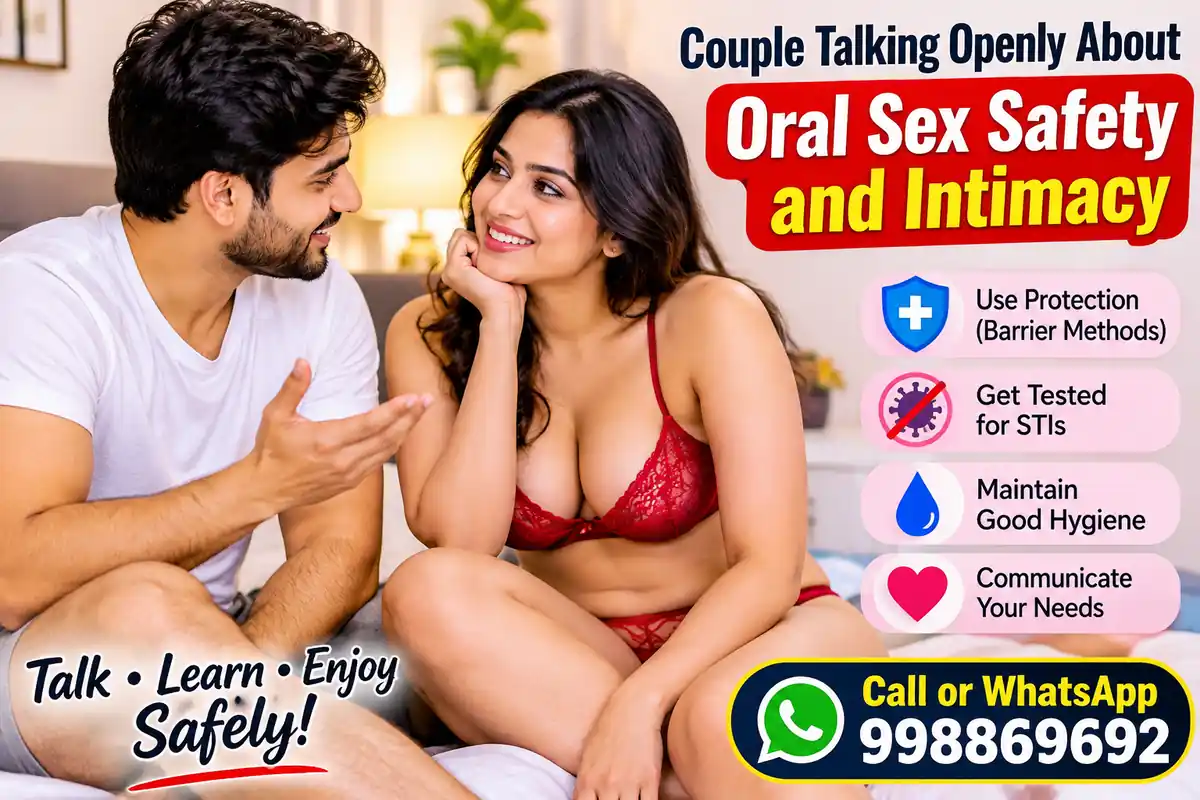
Oral Sex Safety and Tips: Complete Guide for Couples
Oral sex safety is one of those topics people rarely talk about out loud. Plenty of couples practise oral sex, yet very few have ever had a calm conversation about the risks, the hygiene or what actually feels good. Instead, most of us pieced it together from friends, films and half-remembered advice.
That gap matters. Oral sex can carry real infection risks, and it can also go badly simply because nobody asked a question. This guide fills in the missing conversation. You will find the facts on sexually transmitted infections (STIs), practical hygiene steps, communication tips that work in real life, honest health benefits and answers to the questions couples ask most.
This article is for adults aged 18 and over. It is educational and does not replace advice from a doctor or qualified sexual health professional.
Quick Answer: Is Oral Sex Safe?
Oral sex is lower risk than penetrative sex for some infections, but it is not risk-free. Herpes, HPV, gonorrhoea, chlamydia, syphilis and other STIs can pass through oral contact. You can lower the risk with condoms or dental dams, regular STI testing, good hygiene, honest communication and by avoiding oral sex when either partner has sores, cuts or symptoms.
Key Takeaways
- Oral sex can pass on STIs, even without visible symptoms.
- Barriers such as condoms and dental dams reduce risk significantly.
- Regular testing matters more than guesswork about a partner’s history.
- Consent is ongoing, and either partner can stop at any time.
- Good communication improves comfort and satisfaction far more than technique.
- Oral sex cannot cause pregnancy.
What Is Oral Sex?
Oral sex means using the mouth, lips and tongue to stimulate a partner’s genitals or anus. People often group it under a few common terms. Mouth-to-penis contact is called fellatio, and mouth-to-vulva contact is called cunnilingus. Mouth-to-anus contact is called anilingus, sometimes known as rimming.
Couples of every gender and orientation practise oral sex. Some enjoy it as foreplay. Others treat it as a complete form of intimacy. For some, it is the most comfortable way to be close, especially when penetrative sex is painful, unwanted or not possible.
In India, cultural silence can make the topic feel awkward or shameful. Yet curiosity is natural, and so is the wish to be safe. Treating it as a health and communication topic, not a taboo, makes everything easier.
Common Myths About Oral Sex Safety
Myths cause more harm than the act itself. Here are the ones worth dropping.
Myth 1: “You Can’t Get an STI From Oral Sex”
You can. Several infections spread through mouth-to-genital contact. Infections in the throat often cause no symptoms, so people can pass them on without knowing.
Myth 2: “If There Are No Sores, There Is No Risk”
Herpes can spread even when no sore is visible, a pattern doctors call asymptomatic shedding. HPV also spreads through skin contact without any obvious sign.
Myth 3: “Not Swallowing Makes It Safe”
It lowers some risks but does not remove them. Many infections spread through skin and mucous membrane contact, not only through fluids.
Myth 4: “Barriers Are Only for Casual Partners”
Barriers are useful whenever STI status is unknown or unconfirmed. Many people in long relationships have never been tested. Trust and testing work together.
Myth 5: “Oral Sex Is Dirty or Disrespectful”
It is a normal, consensual adult activity. Hygiene and respect are what make it comfortable, not shame.
Myth 6: “Only Women Receive, Only Men Give”
Nobody has a fixed role. Every partner deserves attention and pleasure, and every partner can decline.
Oral Sex STI Risks: What the Facts Say
Understanding the risks helps you make calm, informed choices. Here are the main infections linked to oral contact.
| Infection | Can it pass through oral sex? | Key point |
|---|---|---|
| Herpes (HSV-1 and HSV-2) | Yes | Cold sores can spread to the genitals, and genital herpes to the mouth |
| HPV | Yes | Some types are linked to throat and mouth cancers |
| Gonorrhoea | Yes | Throat infections are often symptom-free |
| Chlamydia | Yes | Can infect the throat, though less commonly than the genitals |
| Syphilis | Yes | Sores on the lips, mouth or genitals can spread it |
| HIV | Low risk | Risk is much lower than with penetrative sex, but not zero |
| Hepatitis A and B | Possible | Vaccines protect against both |
For reliable background, see the World Health Organization’s STI fact sheet and the NHS sexual health guidance.
Who Is at Higher Risk?
Risk rises when:
- Either partner has cuts, ulcers, bleeding gums or a sore throat
- Either partner has an untreated STI or has not been tested
- Either partner has had several partners without protection
- Oral sex happens after recent dental work
- Alcohol or drugs lower judgement about protection
None of this means you should panic. It means you should plan.
Oral Sex Safety Step by Step
Safe oral sex does not need to feel clinical. A few habits, repeated, become second nature.
Step 1: Talk Before You Begin
Have the conversation when you are both dressed and relaxed, not in the middle of the moment. You might say:
- “I’d like us both to feel safe. When did you last get tested?”
- “Would you be open to using protection for now?”
- “Is there anything you’d rather we skip?”
These questions sound awkward the first time. After that, most couples find them a relief.
Step 2: Get Tested, Together if Possible
A sexual health check is an act of care, not suspicion. Ask a doctor which tests suit you. Depending on your history, that may include blood tests for HIV, syphilis and hepatitis, as well as swabs for gonorrhoea and chlamydia, including from the throat. Testing together can turn an anxious topic into a shared project.
Also ask about vaccines. Hepatitis A, hepatitis B and HPV vaccines protect against infections that can spread through oral contact.
Step 3: Use Barriers When Needed
Barriers reduce risk significantly.
- For penis-focused oral sex: Use a condom. Choose unlubricated or flavoured condoms designed for oral use. Avoid condoms with numbing agents or spermicide, which can taste unpleasant and irritate the mouth.
- For vulva or anus-focused oral sex: Use a dental dam, a thin sheet of latex or polyurethane placed over the area. If you have no dental dam, you can cut open a condom into a flat sheet.
- Use a fresh barrier each time, and never flip it over or reuse it.
- Do not rely on cling film or kitchen wrap unless you have clear medical advice, because it has not been designed or tested for this purpose.
Step 4: Check for Warning Signs
Pause oral sex if either partner notices:
- Sores, blisters, warts or unusual bumps
- Unusual discharge or smell
- Burning when passing urine
- A sore throat, mouth ulcers or bleeding gums
- Any recent unprotected exposure that has not yet been tested
Waiting a few days costs nothing. Skipping the check can cost a lot.
Step 5: Practise Good Hygiene
Hygiene supports comfort, and it also cuts infection risk.
- Shower or wash the genital area with plain water or a mild, unscented cleanser. Harsh soaps and douching can irritate sensitive skin and upset natural balance.
- Keep nails short and hands clean.
- Brush and floss gently at least an hour before, not right before, because tiny gum scratches can raise infection risk.
- Rinse with water or an alcohol-free mouthwash if you like, and avoid very strong or abrasive products.
- Pass urine and wash up afterwards. Women especially can lower the chance of urinary tract infections this way.
Step 6: Keep Consent Alive
Consent is not a single yes. It is a conversation that continues throughout. A partner can pause, change their mind or say “not tonight” without any explanation. Alcohol and exhaustion cloud consent, so postpone when either of you is not fully clear-headed.
Oral Sex Tips That Actually Help
Technique matters less than attention. These tips apply to every gender and every body.
Start With the Whole Body
Rushing straight to the genitals rarely works. Kissing, touching, massage and slow undressing build arousal and relax muscles. For many people, the first few minutes of closeness decide how the rest feels.
Ask, Then Listen
The single most useful tip is also the simplest: ask. Questions like “Is this good?” or “Slower or faster?” feel natural once you start. Bodies differ, and what thrilled one partner may do nothing for another.
Use Feedback Kindly
Specific feedback beats silence. Try “a little softer” or “stay right there” instead of “no, not that.” Positive guidance keeps the mood warm, while criticism can end it.
Pay Attention to Pace and Pressure
Most people prefer a slow start with gradual change. Sudden speed or heavy pressure can hurt. If your partner’s breathing or movements change, notice and adapt instead of guessing.
Take Care of Your Own Comfort
A stiff neck, sore jaw or dry mouth takes the fun out of it quickly. Use a pillow under your partner’s hips or your own knees, take short breaks and sip some water. Giving pleasure should never be a test of endurance.
Respect Gag Reflexes and Limits
Some people have a sensitive gag reflex. Going slowly, controlling depth with a hand and choosing a comfortable position all help. Never push or pressure a partner, and never ignore a signal to stop.
Consider a Body-Safe Flavoured Lubricant
A water-based lubricant can add comfort, especially when a barrier is in use. Flavoured versions can make the experience more pleasant. A word of caution: some flavoured products contain sugar, which can encourage yeast infections around the vulva or vagina. Look for sugar-free, glycerin-light options, and avoid oil-based products with latex condoms because oil weakens latex.
Keep Humour in the Room
Awkward moments happen. A laugh or a joke often does more for closeness than any technique.
Communication Scripts for Shy or First-Time Couples
Many people want to talk but do not know how to begin. Try these.
- To start the topic: “I’ve been reading about this, and I’d like us to feel safe and comfortable. Can we talk about it?”
- To raise protection: “I care about us both, so I’d like to use a barrier for now. We can review it after we get tested.”
- To set a limit: “I’m not ready for that yet, but I’d love to try something else.”
- To guide a partner: “That feels great. Could you go a little slower?”
- To check in afterwards: “How was that for you? Anything you’d like more or less of next time?”
Scripts feel stiff at first. With practice they turn into your own words.
Aftercare and What to Do If Something Feels Wrong
Safety does not end when the moment does.
- Drink water and pass urine, particularly after receiving oral sex.
- Cuddle, talk or rest. Emotional closeness after intimacy supports trust.
- Watch for symptoms over the next days and weeks, including sores, unusual discharge, pain when passing urine or a persistent sore throat.
- See a doctor promptly if you notice anything unusual, if a condom or barrier broke, or if you may have been exposed to an infection.
Many STIs are easily treated, and early care prevents complications. Seeking help is a sign of responsibility, not failure.
Health Benefits of Healthy Oral Intimacy
It is worth being honest here. There is little evidence that oral sex itself improves physical health in a direct, medical way. The real benefits come from closeness, communication and satisfaction, and they apply only when the experience is wanted, comfortable and safe.
1. Stronger Emotional Bond
Sharing something vulnerable builds trust. Couples who talk openly about oral intimacy often communicate better about other topics too.
2. Greater Sexual Satisfaction
Many people, particularly those with a vulva, find direct stimulation easier than penetration alone for reaching orgasm. Oral sex can make intimacy more satisfying for both partners.
3. Lower Pressure Around Performance
Oral sex can ease the focus on lasting a long time or on penetration. That can help couples dealing with stress, anxiety or mismatched desire.
4. An Option When Penetration Isn’t Possible
Pain, recovery after childbirth or surgery, illness or contraception concerns can make penetration difficult. Oral intimacy gives couples a way to stay close without that pressure.
5. Stress Relief and Relaxation
Touch and orgasm are associated with relaxation and a calmer mood. Many people report sleeping better afterwards.
6. No Pregnancy Risk From the Act Itself
Oral sex cannot lead to pregnancy. If semen could come into contact with the vulva or vagina, however, pregnancy is still possible, so keep contraception in mind.
7. Better Body Awareness
Talking about what feels good teaches both partners about their bodies. Greater self-knowledge often improves confidence.
8. More Playful, Open Relationships
Couples who explore together, with consent, often describe more humour and creativity in their relationship. That playful trust is a benefit in itself.
Your Oral Sex Safety Checklist
Save this list for the next time you want a quick reminder.
- Talk about comfort, limits and protection before you start
- Get tested regularly and ask about HPV and hepatitis vaccines
- Use a condom or dental dam when STI status is unknown
- Skip oral sex if either partner has sores, bleeding gums or symptoms
- Wash with plain water and a mild cleanser
- Avoid brushing or flossing right before
- Use sugar-free, water-based flavoured lubricant if you like
- Check in often and respect every “stop”
- Pass urine and drink water afterwards
- See a doctor if anything feels unusual
Discreet Products That Support Safer, More Comfortable Intimacy
Many people feel too shy to ask for these items in a local pharmacy. Buying online with private delivery makes it easier to choose calmly.
Useful items include:
- Flavoured condoms made for oral use
- Dental dams and barrier sheets
- Body-safe, water-based lubricants
- Couples’ massage oils and wellness items
Choose products with clear material details and buy from a store you trust. For a wider look at connection, read our guide to 15 types of intimacy and sexual connection.
Frequently Asked Questions About Oral Sex Safety
1. Is oral sex safe?
It is safer than unprotected penetrative sex for some infections, but it is not risk-free. Herpes, HPV, gonorrhoea, chlamydia and syphilis can all pass through oral contact. Barriers, testing and hygiene lower the risk.
2. Can you get an STI from oral sex without symptoms?
Yes. Many throat and genital infections cause no symptoms, so a partner can pass one on without knowing. That is why regular testing matters.
3. Do I need a condom or dental dam for oral sex?
Use one whenever STI status is unknown or unconfirmed. Many couples also choose barriers until both partners have tested clear and agreed on a plan.
4. What is a dental dam, and how do I use it?
A dental dam is a thin, flat sheet of latex or polyurethane that sits between the mouth and the vulva or anus. Place it flat, hold it in place and use a fresh one each time. You can make one by cutting open a condom.
5. Can oral sex cause pregnancy?
No. Pregnancy needs sperm to reach the vagina. Semen near the vulva can still carry a small risk, so think about contraception if that could happen.
6. Can oral sex give you throat cancer?
Some types of HPV are linked to cancers of the throat and mouth. Most HPV infections clear on their own, and HPV vaccination lowers the risk. Ask a doctor about vaccines and any symptoms such as a persistent sore throat or ulcer.
7. Should I avoid oral sex if I have a cold sore?
Yes. A cold sore is caused by a herpes virus that can spread to a partner’s genitals. Avoid oral sex until it has fully healed, and talk to a doctor about managing outbreaks.
8. Is it safe to brush my teeth before oral sex?
Brushing right beforehand can cause tiny scratches in the gums, which raise infection risk. Brush at least an hour before, or just rinse with water.
9. How do I bring up protection without ruining the mood?
Keep it warm and specific. Try, “I care about us both, so I’d like to use a barrier for now.” Most partners respond better to care than to caution.
10. Is it normal to feel nervous or shy about oral sex?
Yes. Many people feel nervous, especially at first. Going slowly, sharing feelings and agreeing on signals to pause make things easier.
11. Which lubricant is best for oral sex?
Choose a water-based, sugar-free lubricant made for intimate use. It works well with condoms and dental dams. Avoid oil-based products with latex.
12. When should I see a doctor?
See a doctor if you notice sores, unusual discharge, pain when passing urine or a persistent sore throat. Also seek advice if a barrier breaks or you think you have been exposed to an STI.
Final Thoughts: Safe, Respectful and Genuinely Enjoyable
Oral sex safety is not about removing the fun. It is about making sure both people feel respected, informed and relaxed enough to enjoy themselves. A short conversation, a quick test, the right barrier and a little patience go a long way.
The couples who enjoy intimacy most are rarely the ones with perfect technique. They are the ones who ask questions, listen to the answers and keep each other’s wellbeing in mind.
Need Discreet Guidance or Intimacy Essentials?
Shop body-safe, private and carefully chosen intimate wellness products with discreet delivery across India.
- 📞 Call or WhatsApp: 9988696992
- 🌐 Visit: onlinefuntoys.com
Quick links: Chat on WhatsApp · Shop now
Our team offers confidential, judgement-free help so you can shop with comfort and confidence.
Disclaimer: This content is for adults aged 18 and over and is for educational purposes only. It does not replace professional medical advice. Always practise consent, safety and privacy.